
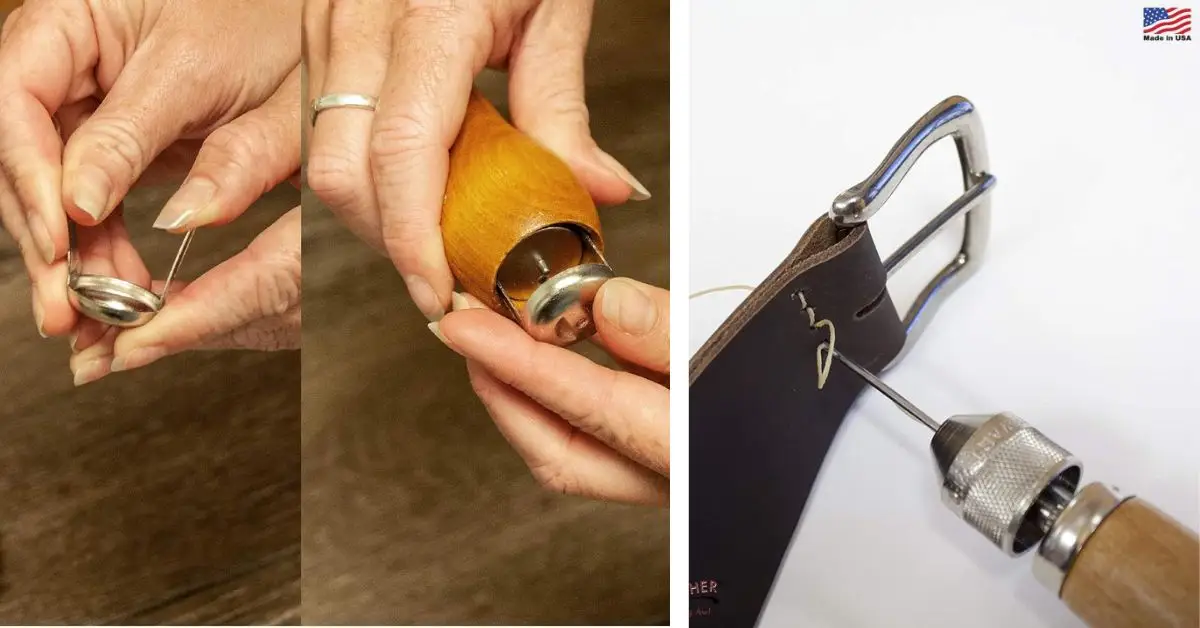
The Speedy Stitcher is best for repairing outdoor gear, fixing leather items, sewing canvas, and doing heavy-duty DIY projects. People use it for tents, backpacks, shoes, belts, saddles, upholstery, and many other strong materials.
The Speedy Stitcher Sewing Awl is a small hand tool that has been trusted for over 100 years. It is made to sew thick and tough materials like leather, canvas, and heavy fabric that normal needles cannot handle.
If you camp, hike, or work with leather, this tool can save you money and time by letting you repair things yourself.
In this guide, you will learn:
- What the Speedy Stitcher is and how it works.
- The best projects to use it on (outdoor gear, leather, canvas, and more).
- Step-by-step beginner tips.
- Care and maintenance for long-lasting use.
- Why it is still popular in 2025 in the USA.
The Speedy Stitcher is simple, strong, and useful. Whether you are outdoors, at home, or in a workshop, it helps you make fast and strong repairs on the spot.
Table of Contents
What Projects Is the Speedy Stitcher Awl Best For?
1. Top Projects for Outdoor and Camping Gear
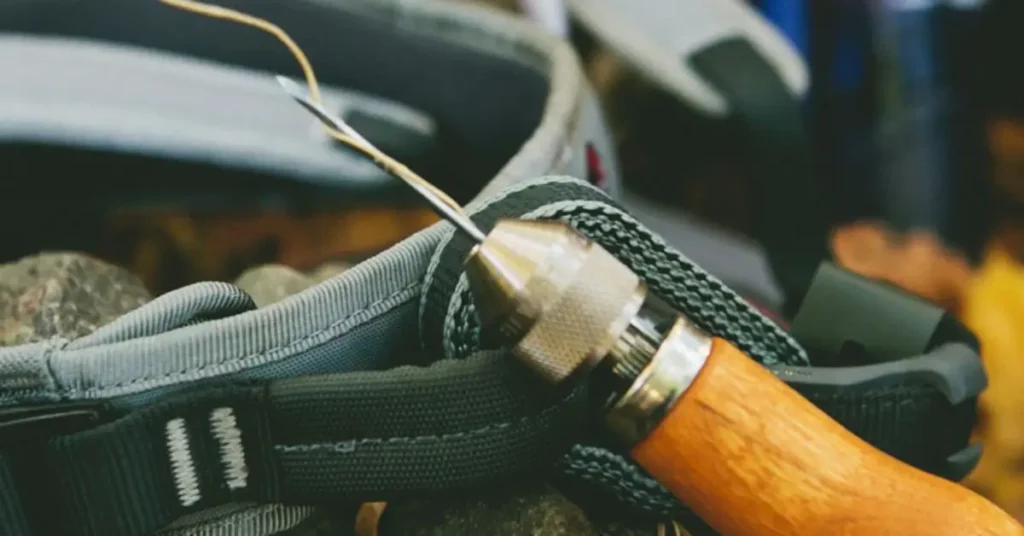
The Speedy Stitcher Awl is best for repairing rugged outdoor and camping gear made of canvas, nylon, or leather. It creates a durable, lock-stitch seam that holds up under extreme conditions, making it an essential field-repair tool.
✅ Top Outdoor & Camping Repair Projects:
- Backpack repairs – Reattach straps, fix broken seams, and patch torn packs where standard thread won’t hold.
- Tent and awning repairs – Reinforce heavy canvas seams or fix tears in nylon tent fabric and trailer awnings.
- Sleeping bag repairs – Secure ripped seams or outer shells with a machine-quality lock-stitch.
- Tarp and canvas repairs – Mend tarpaulins, covers, and other weather-resistant gear.
- Boot and shoe repairs – Patch worn leather hiking boots and rugged outdoor footwear.
- Webbing and strap repairs – Rebuild climbing gear, tie-downs, and sails with strong lock-stitches.
- Gaiter repairs – Reinforce straps and fix tears for hiking and mountaineering gaiters.
💡 Why it excels for outdoor gear:
- Creates a lock-stitch as strong as a sewing machine.
- Works on leather, thick canvas, and heavy nylon webbing.
- Compact and portable – carry it in your backpack for field fixes.
- Easy to use – with practice, you can produce professional repairs anywhere.
2. Leather Crafting Projects
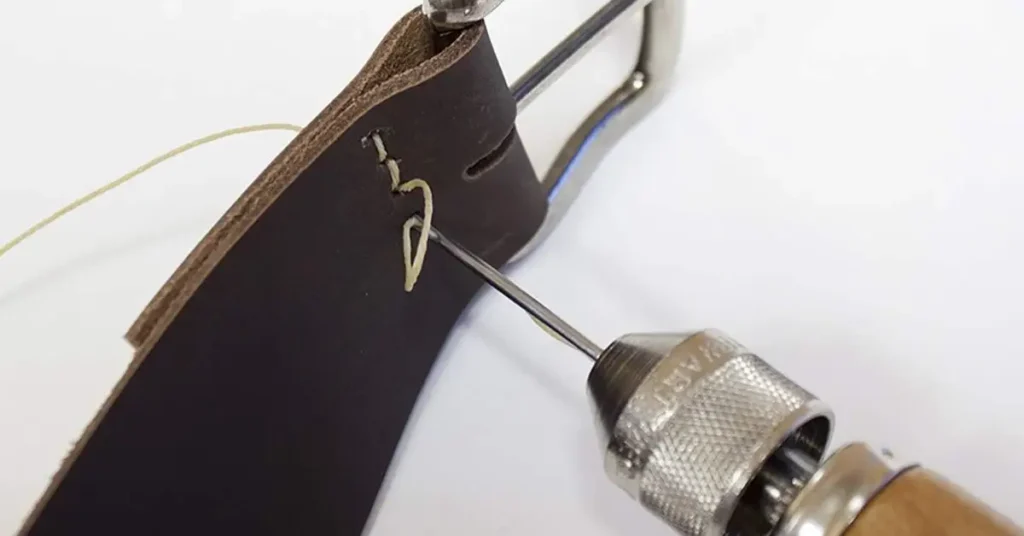
The Speedy Stitcher Awl is perfect for leatherworking, from creating custom pieces to repairing leather goods. Its lock-stitch is strong enough for thick hides and durable fabrics like canvas and vinyl.
✅ Popular Leather Projects:
- Assembly – Craft wallets, bags, belts, bookbinding, and tack.
- Repairs – Fix shoes, saddles, luggage, and worn straps.
- Heavy-duty items – Work on thick leather, canvas, and vinyl projects.
- Upholstery – Restore leather seats, furniture, or vehicle interiors.
- Outdoor gear – Stitch tents, awnings, and sails with leather/canvas reinforcements.
💡 Why it’s ideal for leathercraft:
- Strength – Creates durable, long-lasting stitches.
- Versatility – Includes straight and curved needles for tight spaces.
- Portability – Unlike a sewing machine, it’s handheld and field-ready.
- Ease of use – Master the technique quickly with practice.
3. Automotive and Marine Repairs
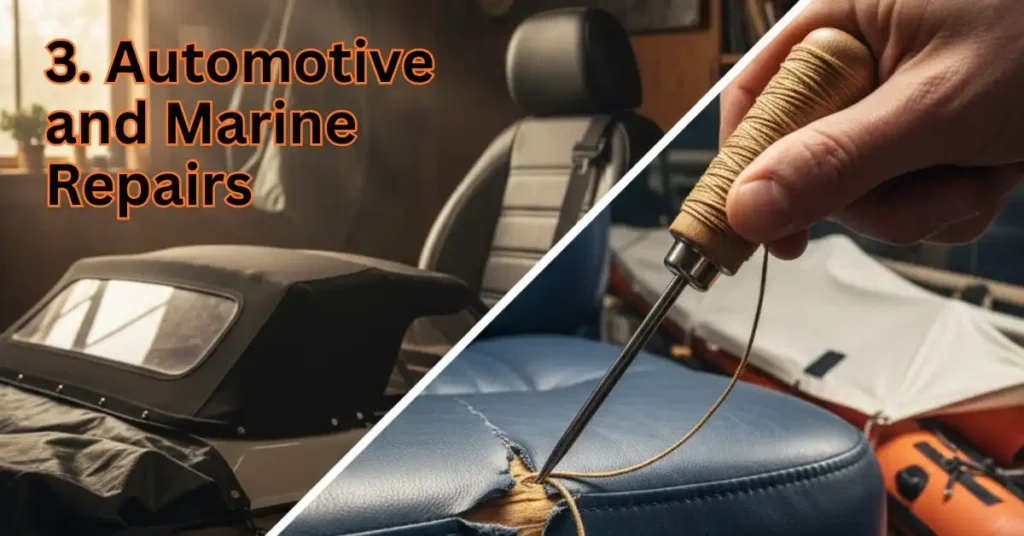
The Speedy Stitcher is a must-have tool for repairing automotive upholstery and marine gear where heavy-duty materials like vinyl, canvas, and leather are used.
✅ Automotive Projects:
- Upholstery & seats – Fix rips and split seams on RV, truck, and car seats.
- Convertible tops – Repair torn seams in vinyl and canvas soft tops.
- Carpets & mats – Reinforce or bind frayed automotive carpets.
- Weather protection – Repair tarps and protective vehicle covers.
✅ Marine Projects:
- Boat covers & bimini tops – Patch rips in heavy-duty waterproof fabric.
- Sails – Perform quick sailcloth repairs while on the water.
- Marine upholstery – Mend vinyl boat seats and cushions.
- Webbing & straps – Reinforce safety straps and mooring lines.
- Inflatables – Patch rafts, tubes, and other gear.
💡 Tips for use:
- Use curved needles for tight spaces.
- Choose diamond-point needles with waxed polyester thread for leather/vinyl.
- For major upholstery jobs, seek pros, but the Speedy Stitcher is unbeatable for on-site fixes.
4. Athletic and Sports Gear
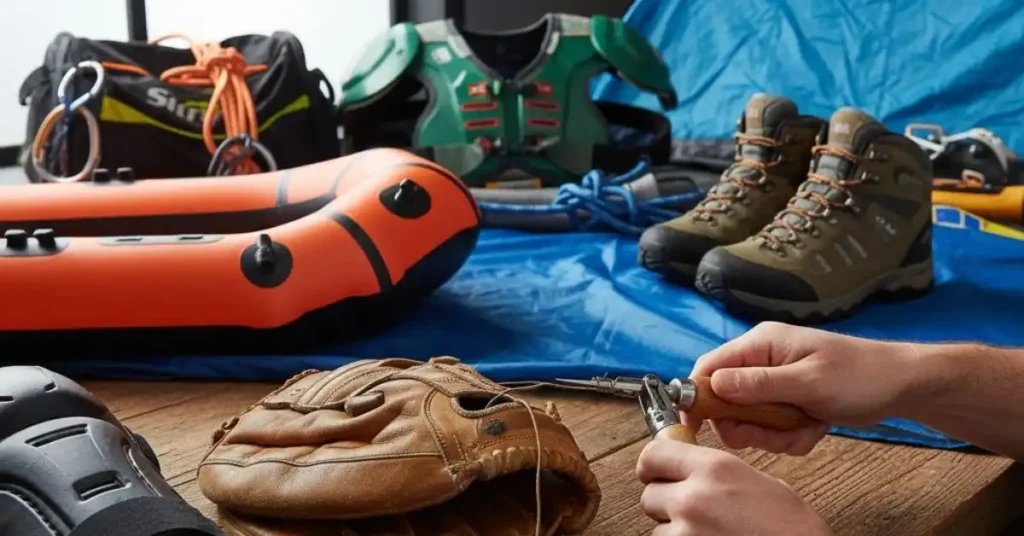
The Speedy Stitcher is excellent for fixing sports and athletic gear made from leather, canvas, and vinyl. It creates machine-quality stitches that withstand tough play.
✅ Team Sports Equipment:
- Baseball gloves – Reinforce or re-stitch worn mitts.
- Hockey pads & bags – Fix ripped seams or torn straps.
- Football gear – Mend protective padding, nylon, or leather equipment.
✅ Outdoor & Water Sports:
- Boating & sailing gear – Repair sails, covers, and dockside equipment.
- Camping & climbing gear – Fix tents, packs, and harness straps.
- Inflatables – Patch bounce houses, rafts, or tubes.
✅ Footwear & Apparel:
- Shoes & boots – Stitch soles and torn seams.
- Bags & straps – Fix ripped athletic bags and luggage.
💡 Why it works for sports gear:
- Heavy-duty needles pierce thick materials with ease.
- Waxed polyester thread is waterproof & long-lasting.
- Lock-stitch ensures repairs don’t unravel under stress.
- Portable enough to keep in a gear bag for quick fixes.
5. Upholstery and Furniture
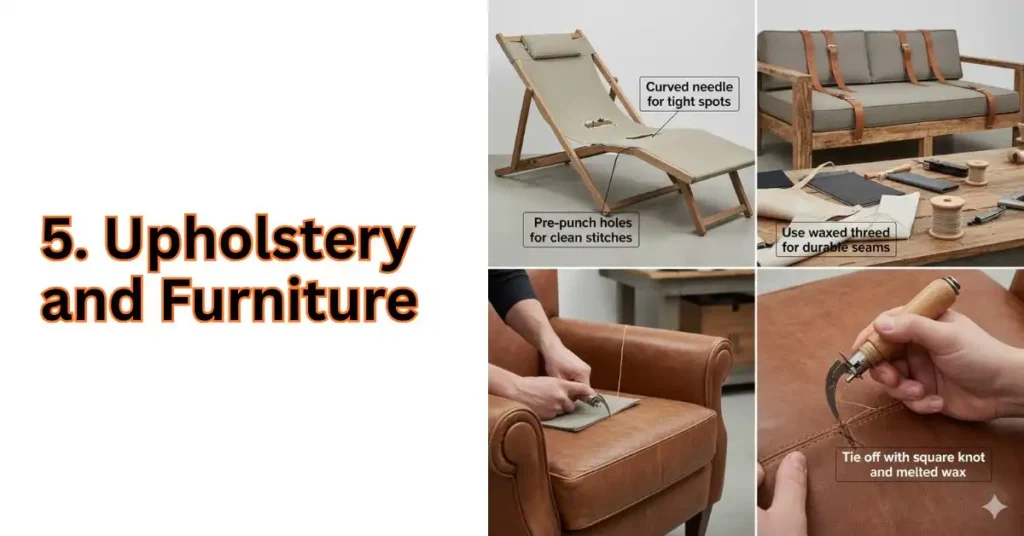
The Speedy Stitcher is widely used for upholstery and furniture projects that require durable stitching in heavy fabrics and leather.
✅ Upholstery Projects:
- Couch cushions and seams.
- Auto convertible tops and vinyl seats.
- Outdoor patio furniture in canvas or vinyl.
✅ Furniture Projects:
- Repair leather straps, webbing, and decorative stitching.
- Reinforce chair and sofa seams.
- Create rustic leather accents for furniture.
💡 Pro Tips:
- Use a curved needle for corners and tight spots.
- Pre-punch holes for clean stitches on leather.
- Always use waxed thread for strong, fray-resistant seams.
- Tie off with a square knot and melted wax for durability.
6. Equestrian Gear
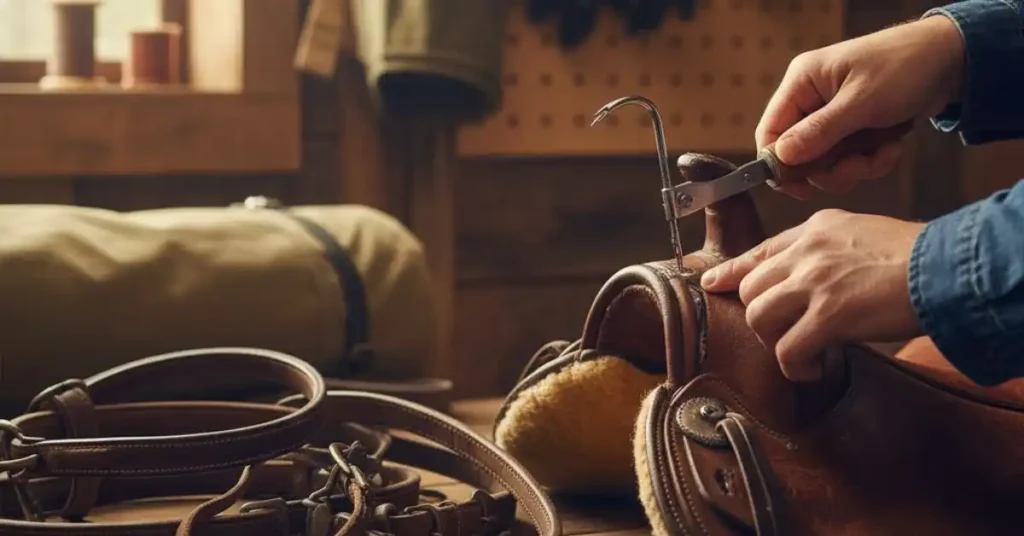
The Speedy Stitcher is a go-to tool for horse tack and equestrian gear repairs, where durability is critical.
✅ Equestrian Projects:
- Saddles – Repair seams and worn panels.
- Bridles & harnesses – Reinforce stressed stitching.
- Reins & girths – Fix leather straps and prolong life of gear.
- Halters – Restore broken seams and loops.
✅ Other Heavy-Duty Uses:
- Outdoor equipment (tents, tarps, sleeping bags).
- Sports gear (gloves, pads, bags).
- Marine repairs (sails, boat seats, covers).
- Automotive upholstery and tops.
- Shoes, belts, and leather accessories.
💡 Why it’s trusted in tack repair:
- Compact and field-ready for on-the-go fixes.
- Produces a machine-quality lock stitch.
- Handles thick leather, canvas, and vinyl.
7. Emergency and Survival Kits
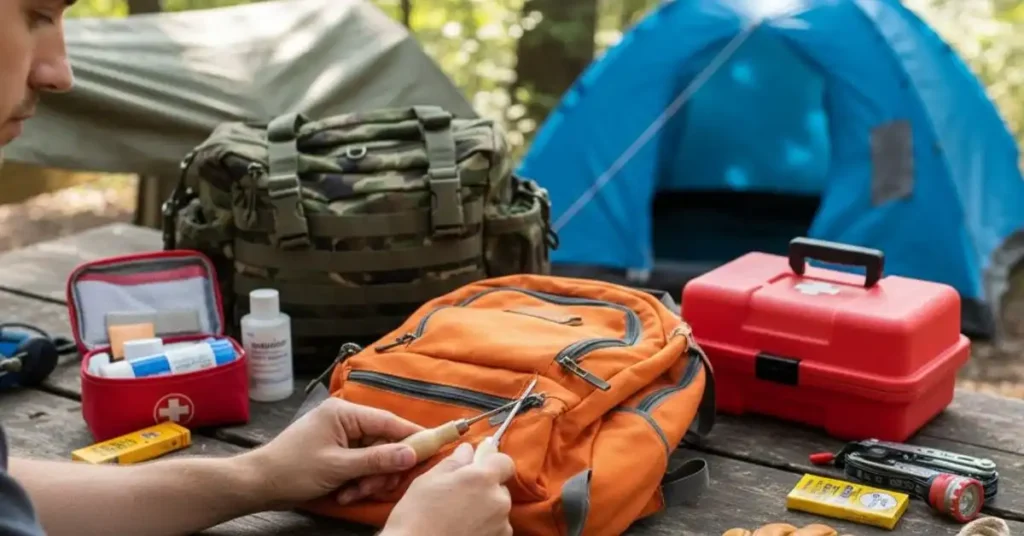
The awl is compact, making it great for emergency use. It belongs in:
- First aid kits.
- Bug-out bags.
- Farm toolkits.
- Boat safety boxes.
A broken strap, torn tent, or ripped gear can be fixed in minutes.
A Century-Old Tool That Still Works Today
The Speedy Stitcher was patented in 1909 by Francis Stewart in Massachusetts. He designed it as a simple, reliable tool for repairing heavy-duty materials.
Over a century later, the design is nearly the same. That’s because it works so well. Today, the tool is proudly made in Indiana by Silver Creek Leather Company, using quality American materials:
- Maine wood for handles.
- Strong waxed thread from the Carolinas.
This tradition of craftsmanship makes the Speedy Stitcher a reliable and long-lasting tool for modern users.
How the Speedy Stitcher Awl Works
Unlike regular needles and thread, the Speedy Stitcher makes a lock stitch. This type of stitch is strong and looks just like a sewing machine stitch.
Here’s how it works:
- Pierce the material with the sharp diamond-shaped needle.
- Form a loop of thread on the backside.
- Pass the free thread through the loop.
- Tighten so the knot is hidden inside the fabric layers.
The result is a clean, durable seam that won’t unravel.
Why Choose the Speedy Stitcher?
The Speedy Stitcher is popular because it offers:
- Strength: Handles thick leather and canvas.
- Portability: Small enough for travel or toolkits.
- Versatility: Works on many projects.
- Cost-effectiveness: One-time purchase that lasts for decades.
It’s especially loved by leatherworkers, DIY hobbyists, campers, farmers, and boat owners.
Step-by-Step Guide: How to Use the Speedy Stitcher
Step 1: Prepare the Awl
- Open the handle to access extra needles.
- Load the bobbin with waxed thread.
- Thread the needle and tighten the chuck.
Step 2: Mark Your Stitch Line
Use a pencil, stylus, or stitching groover for even stitches.
Step 3: Start Stitching
- Pierce the fabric with the needle.
- Pull out a long thread tail.
- Push the awl through the next hole.
- Form a loop on the backside.
- Pass the thread tail through the loop.
- Pull tight to lock the stitch.
Step 4: Repeat and Finish
- Continue the same process.
- At the end, tie a square knot.
- Trim excess thread.
With practice, your stitches will look machine-perfect.
Tips for Best Results
- Use the right needle: straight for flat work, curved for tight areas.
- Keep steady tension for even stitches.
- Always use strong waxed thread for durability.
- Practice on scrap fabric before starting important projects.
Maintaining Your Speedy Stitcher
With care, your awl can last a lifetime.
- Store it with the chuck tightened to protect the needle.
- Replace needles if they become dull.
- Keep extra thread in stock.
- Wipe down the handle to prevent wear.
Why the Speedy Stitcher Remains Popular in 2025
Even in the age of machines, the Speedy Stitcher stays relevant. Here’s why:
- DIY Culture: More people are choosing to repair instead of replace.
- Sustainability: Repairing gear reduces waste.
- Cost Savings: Fixing items at home saves money.
- Independence: Having the right tool makes you more self-reliant.
For leatherworkers, crafters, campers, and anyone who values durability, the Speedy Stitcher is as useful today as it was a century ago.
What is the main advantage of the Speedy Stitcher over a regular needle and thread?
The Speedy Stitcher creates a lock stitch by hand, just like a sewing machine. This makes seams stronger and less likely to unravel than standard running stitches, which is vital for heavy-use items like tents, leather gear, and upholstery.
Can the Speedy Stitcher be used for fine or detailed work?
The Speedy Stitcher is mainly built for heavy-duty projects with leather and canvas. While you can buy finer needles and thread for smaller work, it is not ideal for very delicate stitching. For detailed designs, a traditional leatherwork or bookbinding awl is a better option.
What’s the difference between the straight and curved needles?
The straight needle is best for flat surfaces, like canvas or leather panels. The curved needle helps in tight or awkward spaces, such as shoe seams or upholstery corners.
Is the Speedy Stitcher hard for beginners to use?
No. The Speedy Stitcher is easy to learn, but it takes practice to make even stitches. Many online tutorials show how to set it up and start sewing. With steady hands, beginners can master it quickly.
What should I do if the thread jams or stitches look uneven?
Thread jams usually come from wrong tension or threading mistakes. Check that the thread wraps correctly around the tension post and the bobbin isn’t too tight. If stitches look wrong, make sure the long thread tail passes through the loop on the back side to form a proper lock stitch. Restarting on scrap material often fixes the issue.
Conclusion: The Best Projects for the Speedy Stitcher Awl
So, what projects is the Speedy Stitcher awl best for? almost any project involving thick, tough material. From camping gear and leather goods to furniture upholstery and sports gear, this tool delivers strong, professional stitches.
It is more than just a tool—it is a symbol of self-reliance and craftsmanship. Owning one means you can fix, create, and extend the life of your gear for years to come.
If you don’t already have a Speedy Stitcher, it’s time to add this classic tool to your workshop or kit.
Join the Community on Instagram and Facebook: Share your favorite marking or drilling tools and tag us to get featured!
Best Awl tools Short lists by job categories:
- Awl Tool Kit for Beginners
- Best awl tool for Woodworking
- Best awl tool for leatherworking
- Best awl tool for Bookbinding
- Best awl tool for Tailoring
- Unique Applications (Carpet awl, Plastic, Bone)

Hi, I’m Nicholas N. Goforth, a New Mexico crafter with 20 years of experience in leatherworking, woodworking, and bookbinding.
Inspired by a Santa Fe market, I turned my passion into AwlTool.com, launched in 2025, to share tutorials and handcrafted goods.